Film and photography are more than ways of capturing images. They help preserve memories, express identity, and bring community experiences into wider conversations. Through Rohingya-led storytelling, we work to ensure that our stories are documented, remembered, and shared.
WHY OUR WORK MATTERS
Beyond the Frame. Beyond the Story.
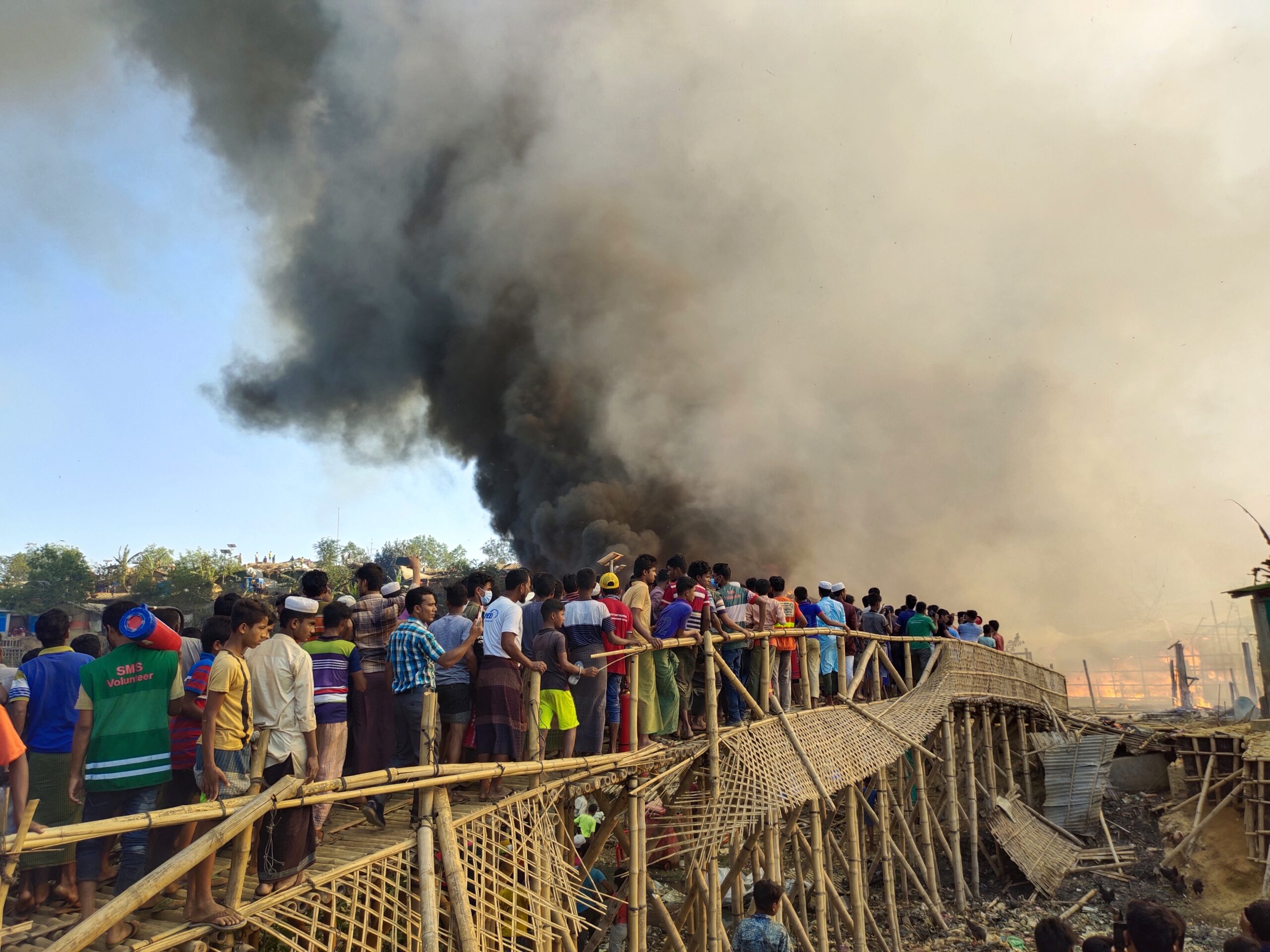
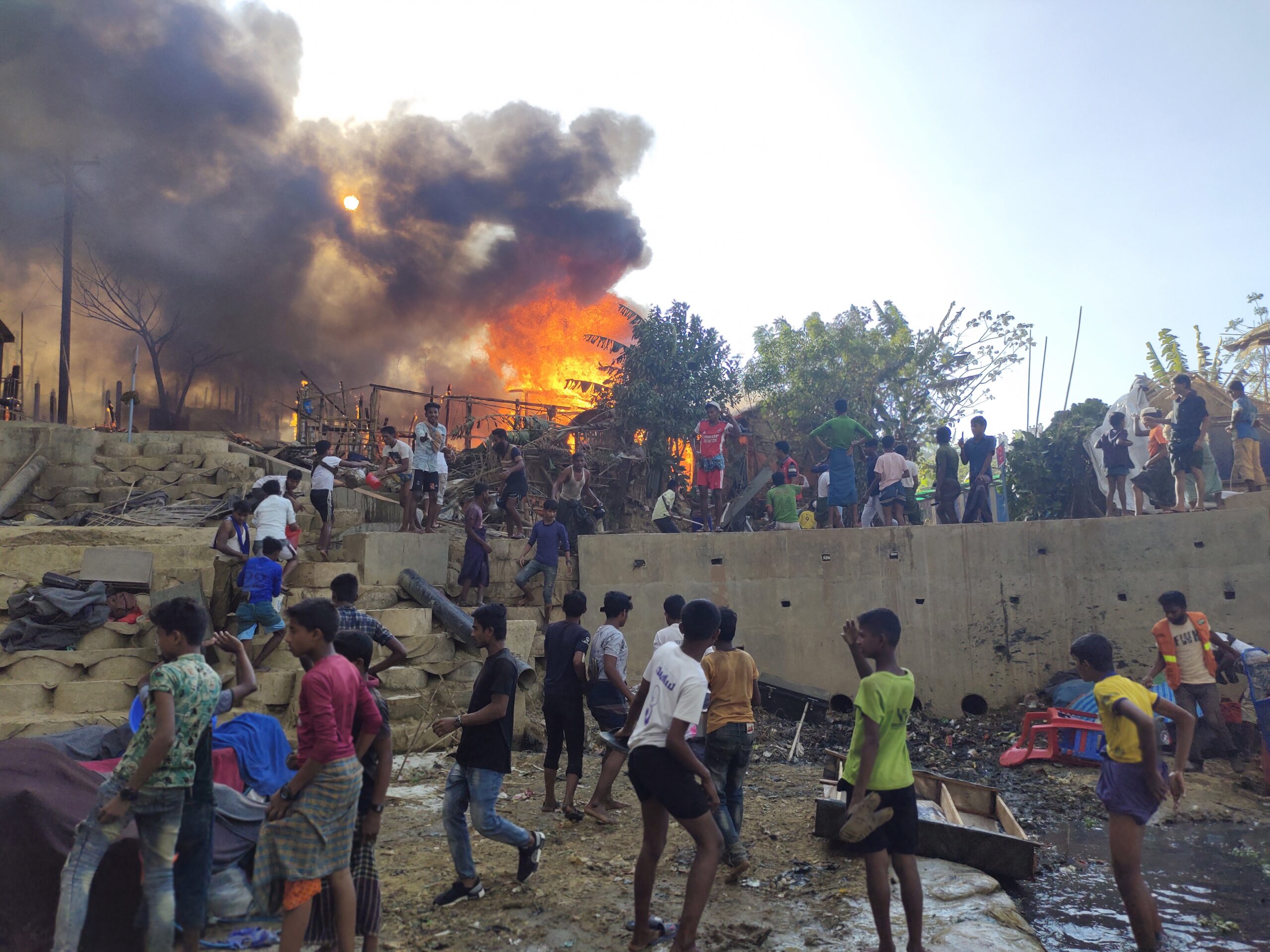
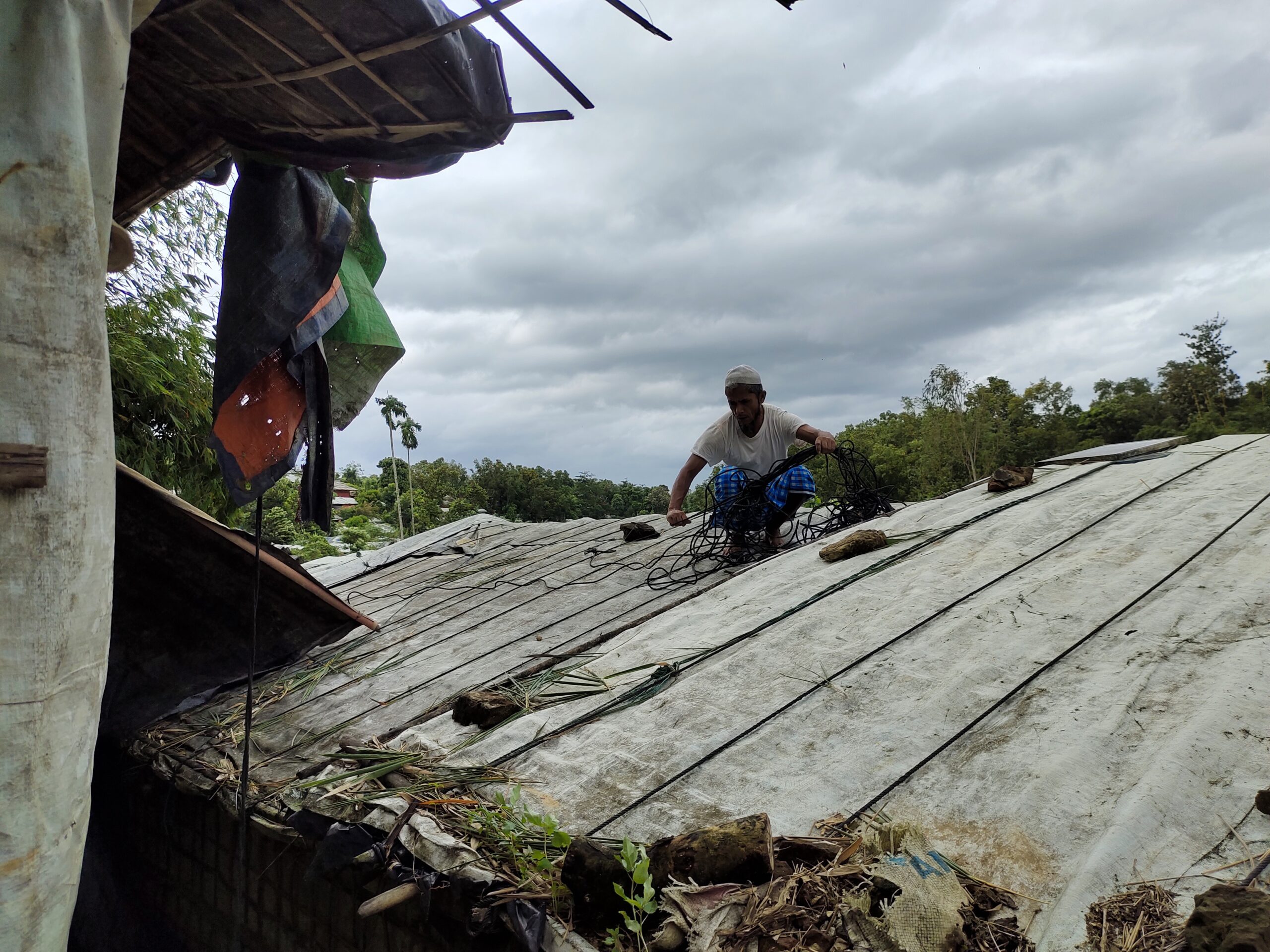
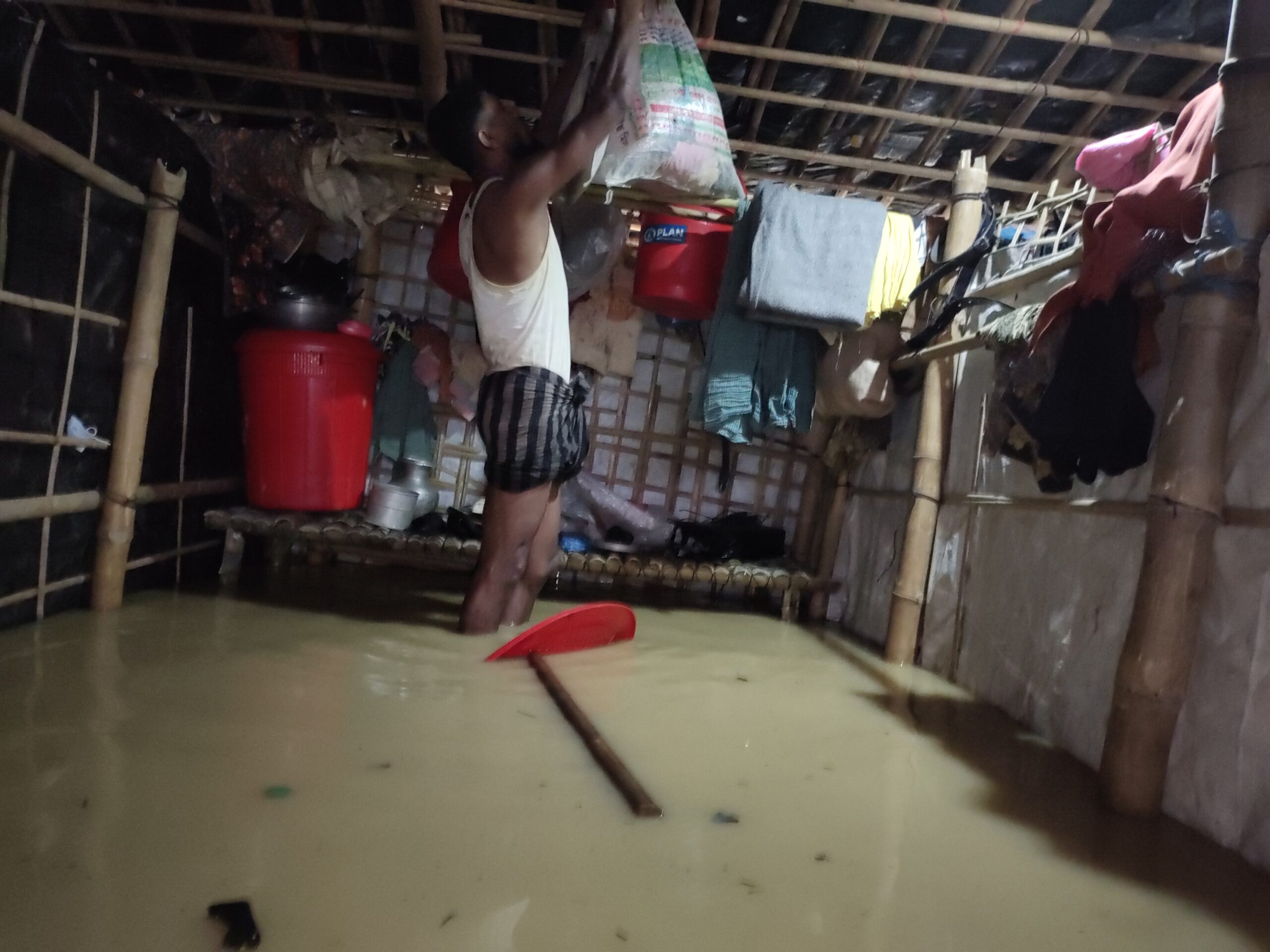
For the Rohingya community, telling our own stories is an important part of preserving identity and making our experiences visible. Photographs and films can document everyday realities, carry cultural memories, and create opportunities for people to share their perspectives.
Our work is rooted in the belief that communities should have the space and skills to document their own lives. By supporting visual storytelling and creative learning, Rohingya Film School contributes to a growing culture of community-led expression.
WHERE OUR WORK MAKES A DIFFERENCE
Our Impact, Through Four Lenses.
Our contribution can be understood through four connected areas of work.
Preserving Culture and Heritage
Our photographs and films help document traditions, cultural identity, memories, and everyday practices. They create visual records that can help future generations understand and connect with their heritage.
Sharing Our Own Perspectives
Community-led storytelling gives Rohingya people opportunities to document their experiences and communicate their perspectives. It helps ensure that our stories are not told only by others.
Encouraging Creative Learning
Learning photography, filmmaking, editing, and storytelling can help young people develop creative skills, explore new ways of expressing themselves, and contribute to community documentation.
Building Community Awareness
Films, photographs, and visual messages can help communicate important community issues, share information, and encourage greater understanding of Rohingya experiences.
COMMUNITY-LED STORYTELLING
Our Stories Deserve to Be Told by Us.
For many years, Rohingya experiences have been documented and shared through outside perspectives. Community-led film and photography create another important opportunity: the opportunity for Rohingya people to document their own lives and share what matters to them.
When people hold the camera, make creative decisions, and shape their own stories, they contribute their perspectives to the wider understanding of the community.
LEARNING THROUGH CREATIVITY
Supporting the Next Generation of Storytellers.
Young people have ideas, experiences, and stories worth sharing. Developing skills in photography, filmmaking, editing, and storytelling can give them practical ways to express themselves and document the world around them.
Rohingya Film School was established with a commitment to making creative learning and visual storytelling more accessible to Rohingya youth.
MEDIA AND PUBLIC VISIBILITY
Bringing Rohingya Stories to Wider Audiences.
Rohingya experiences and creative initiatives have received attention from international and local media. Such coverage helps bring community stories, cultural perspectives, and the importance of visual storytelling to wider audiences.
Below are selected examples of independent reporting and media coverage connected to Rohingya storytelling and community initiatives.
2021 · Feature story
UNHCR
How we dreamed of a film school.
2021 ·Photojournalism feature
Reuters / World Economic Forum
Aspiring Rohingya photographers document life in Bangladesh refugee camps.
2020 · Art and awareness initiative
Oxfam
Rohingya Realities, Rohingya Futures: Winners of Oxfam’s 2020 Art Competition.
A VISUAL RECORD OF OUR WORK
The Work, Through Our Lens.
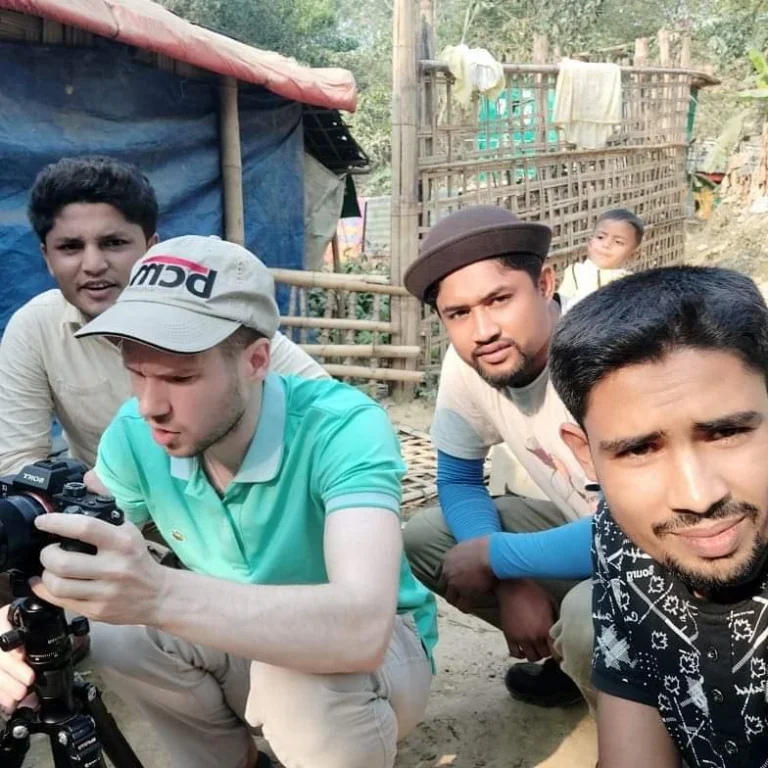
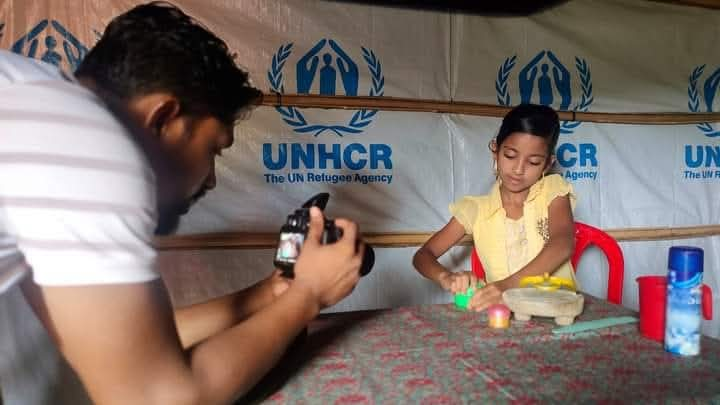
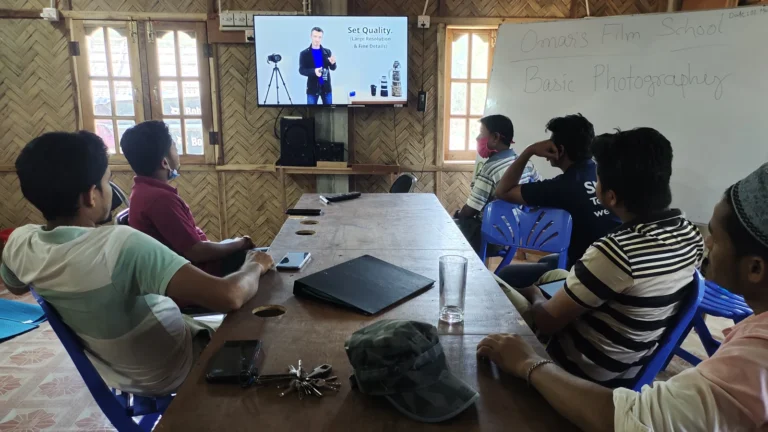
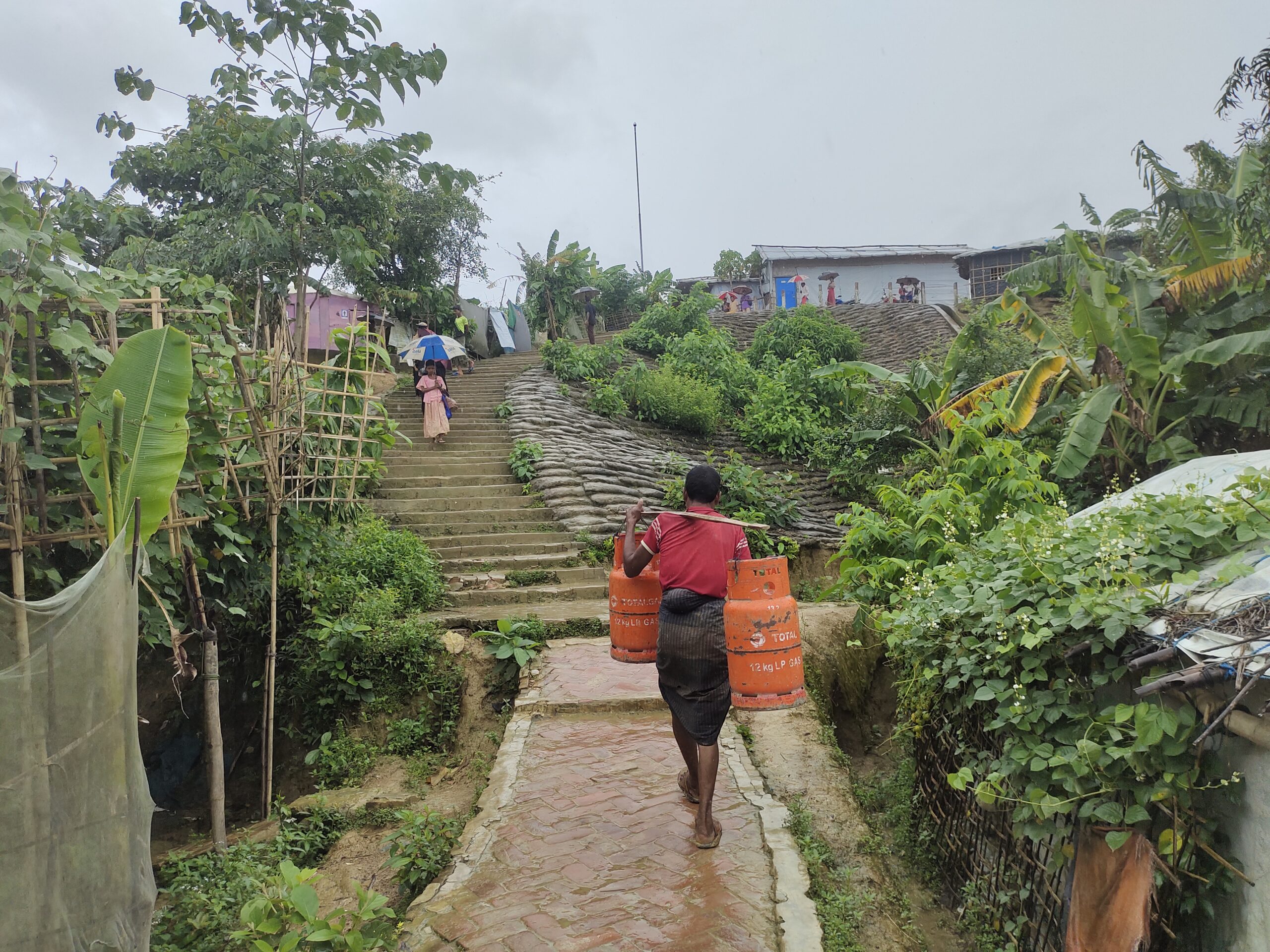
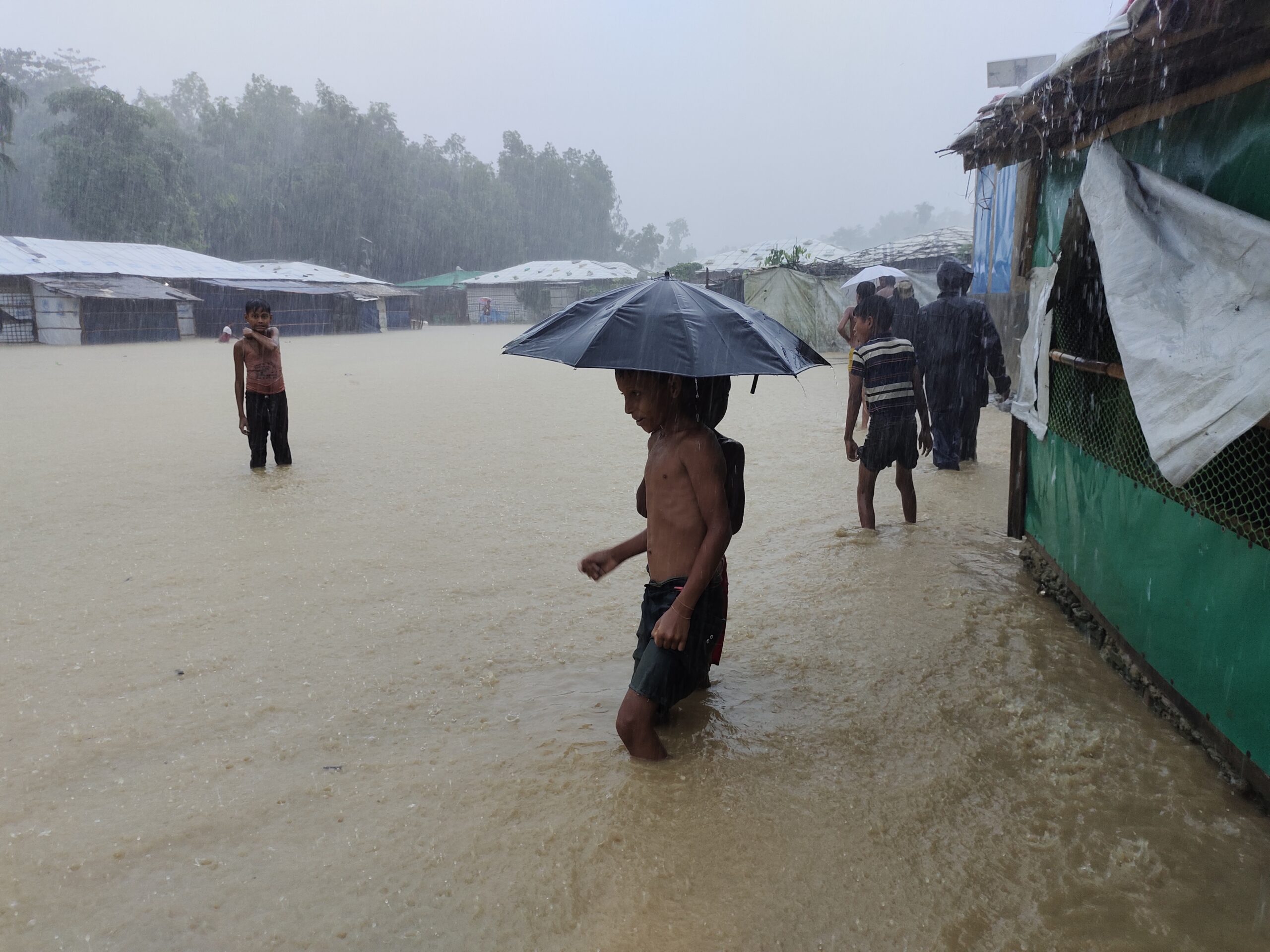
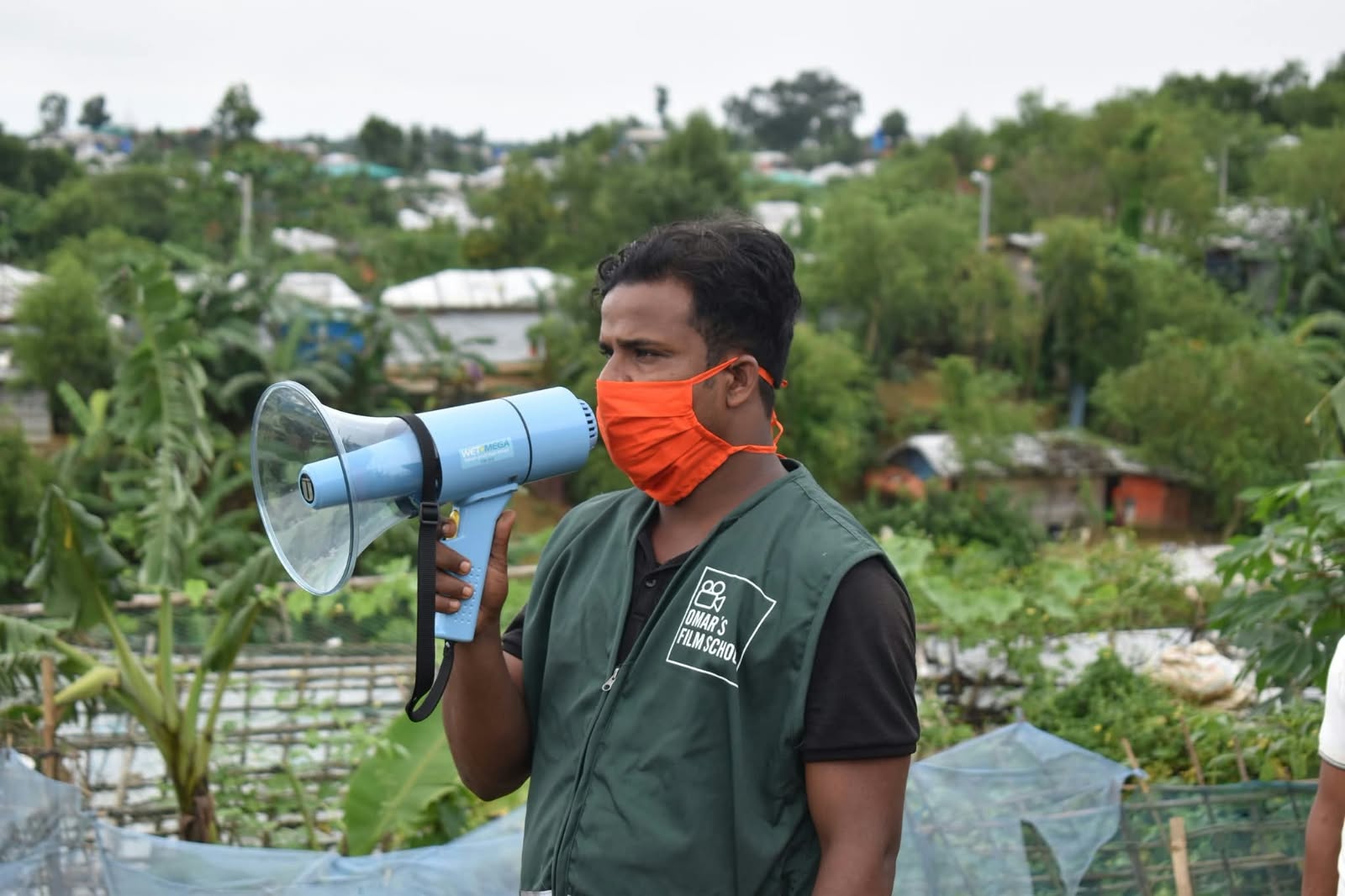
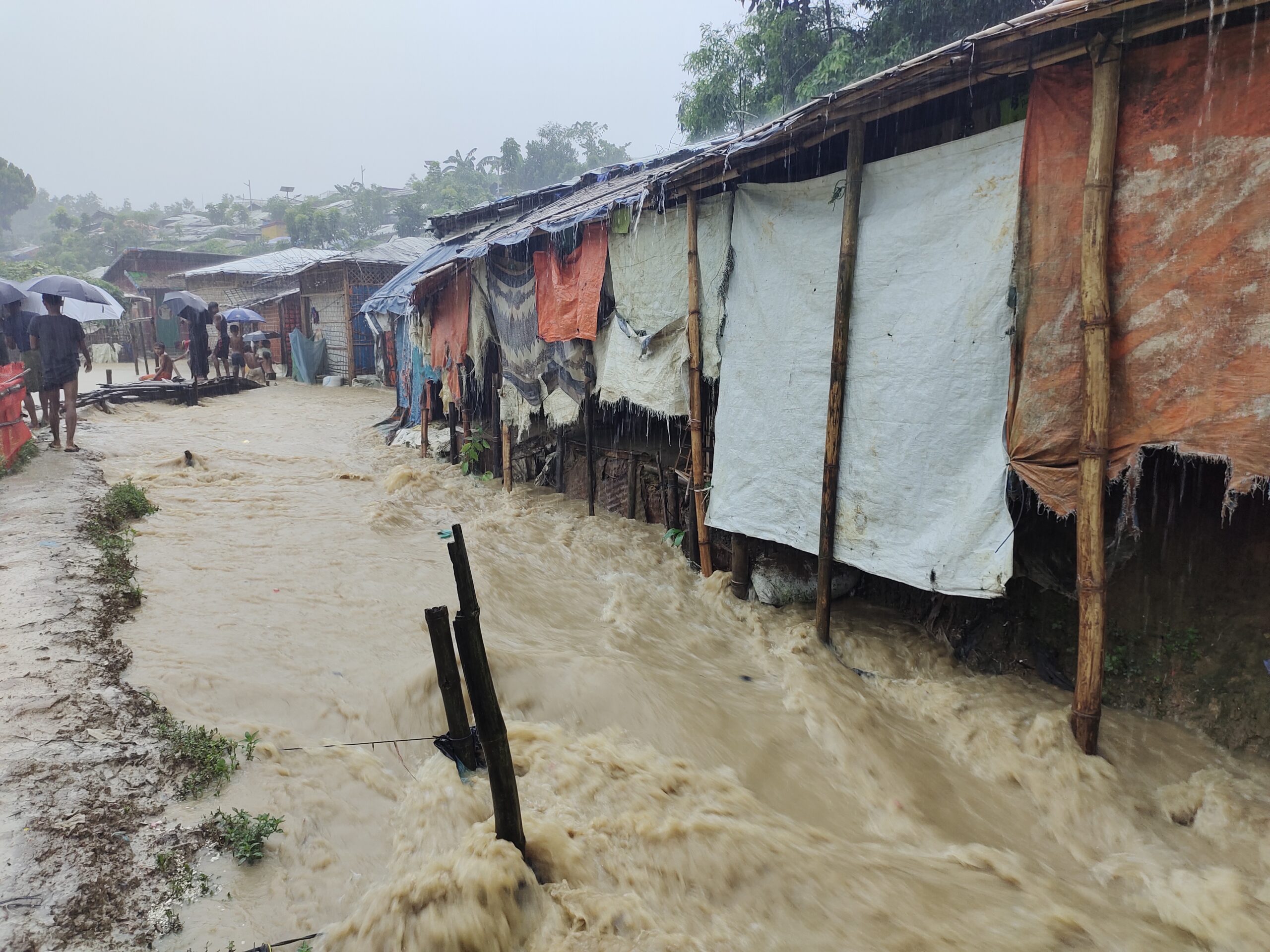
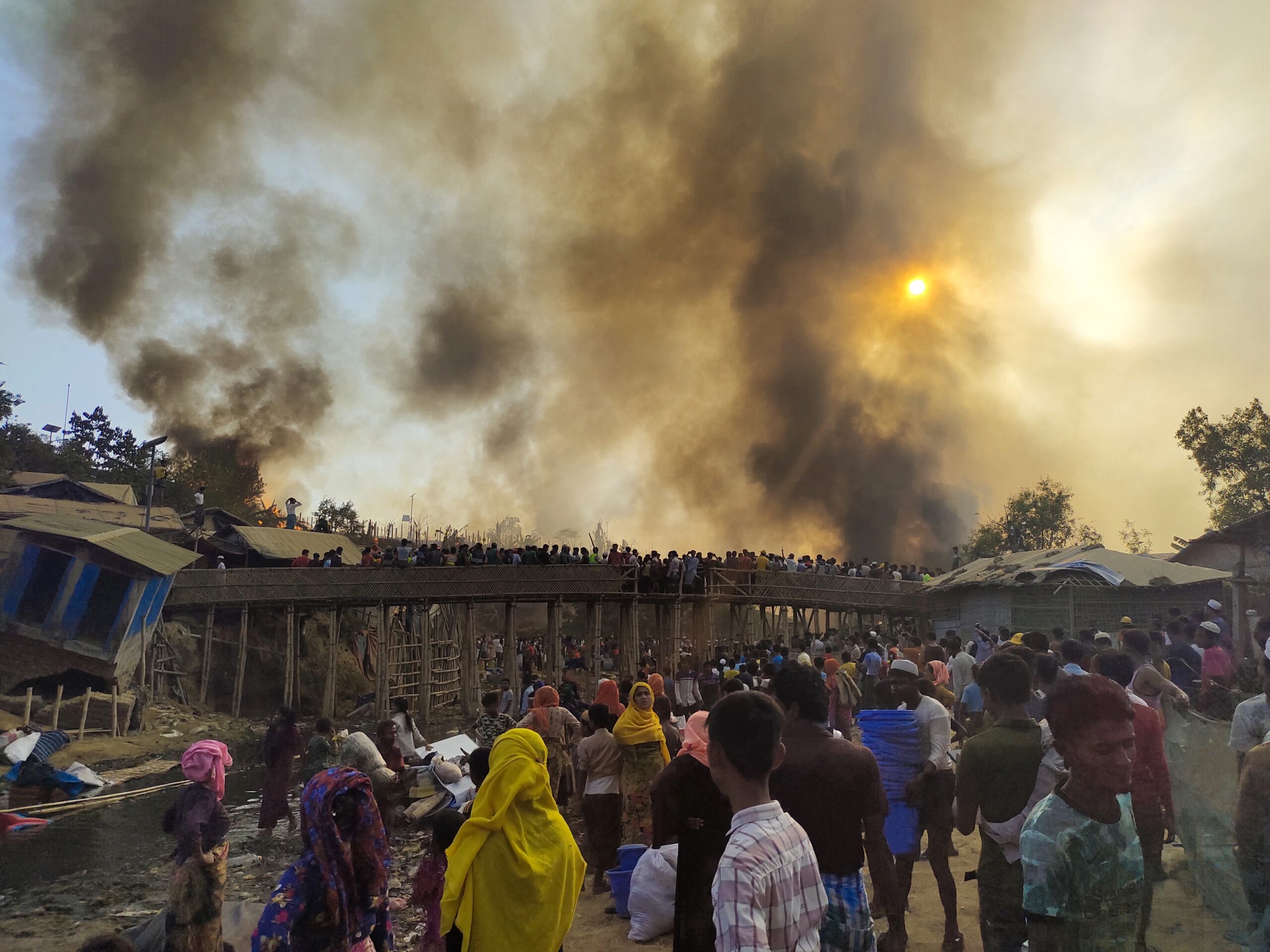
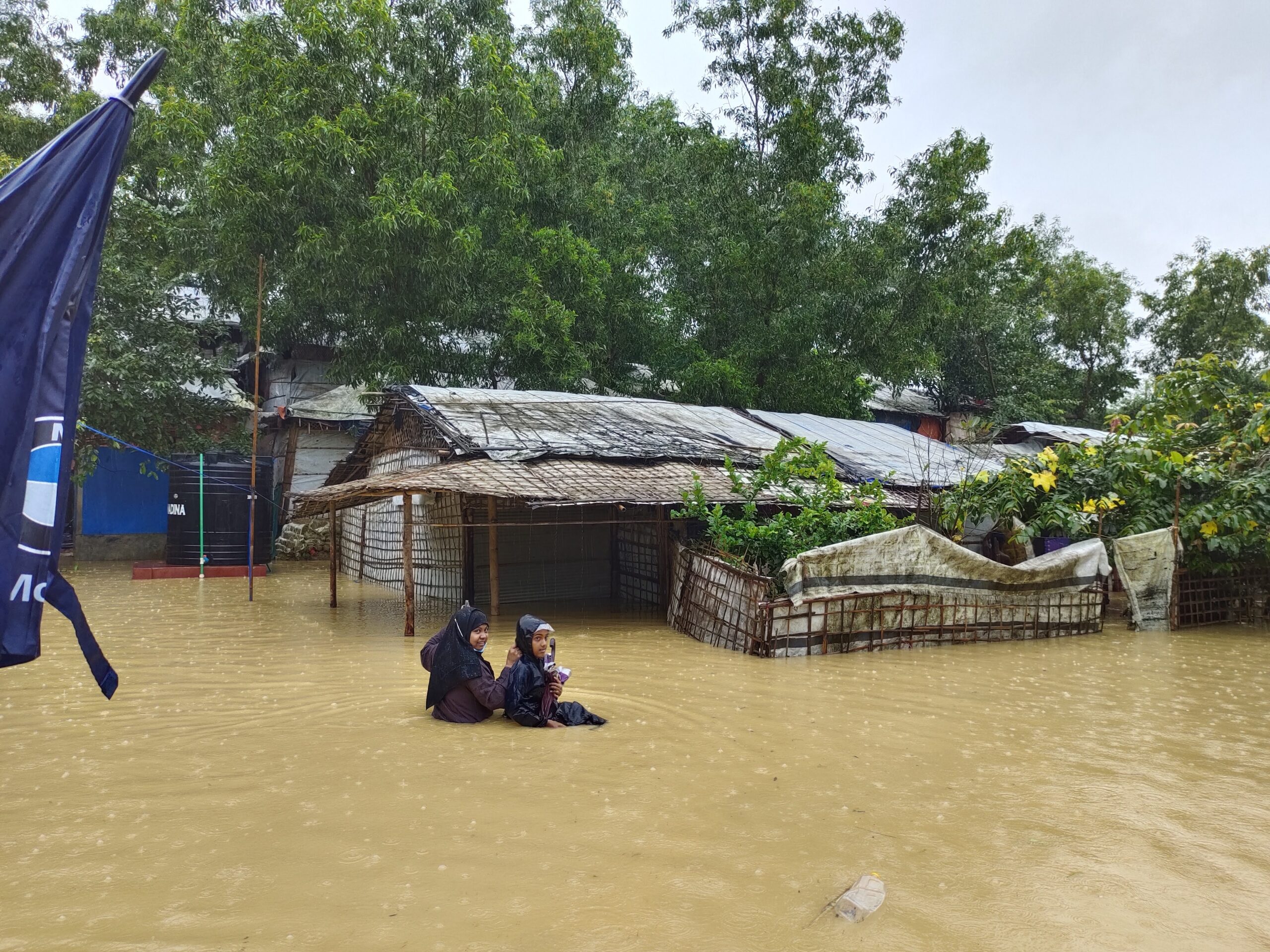
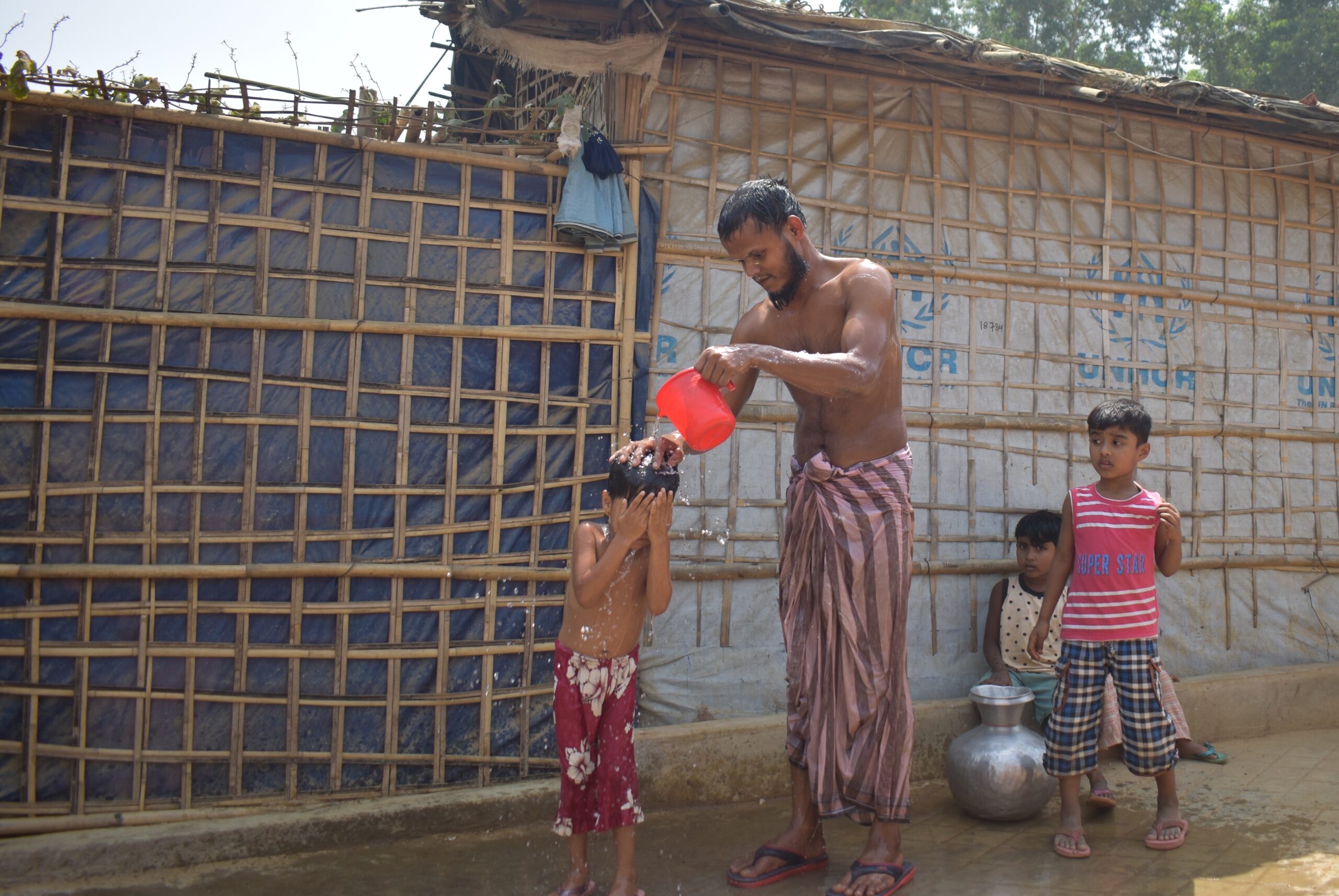
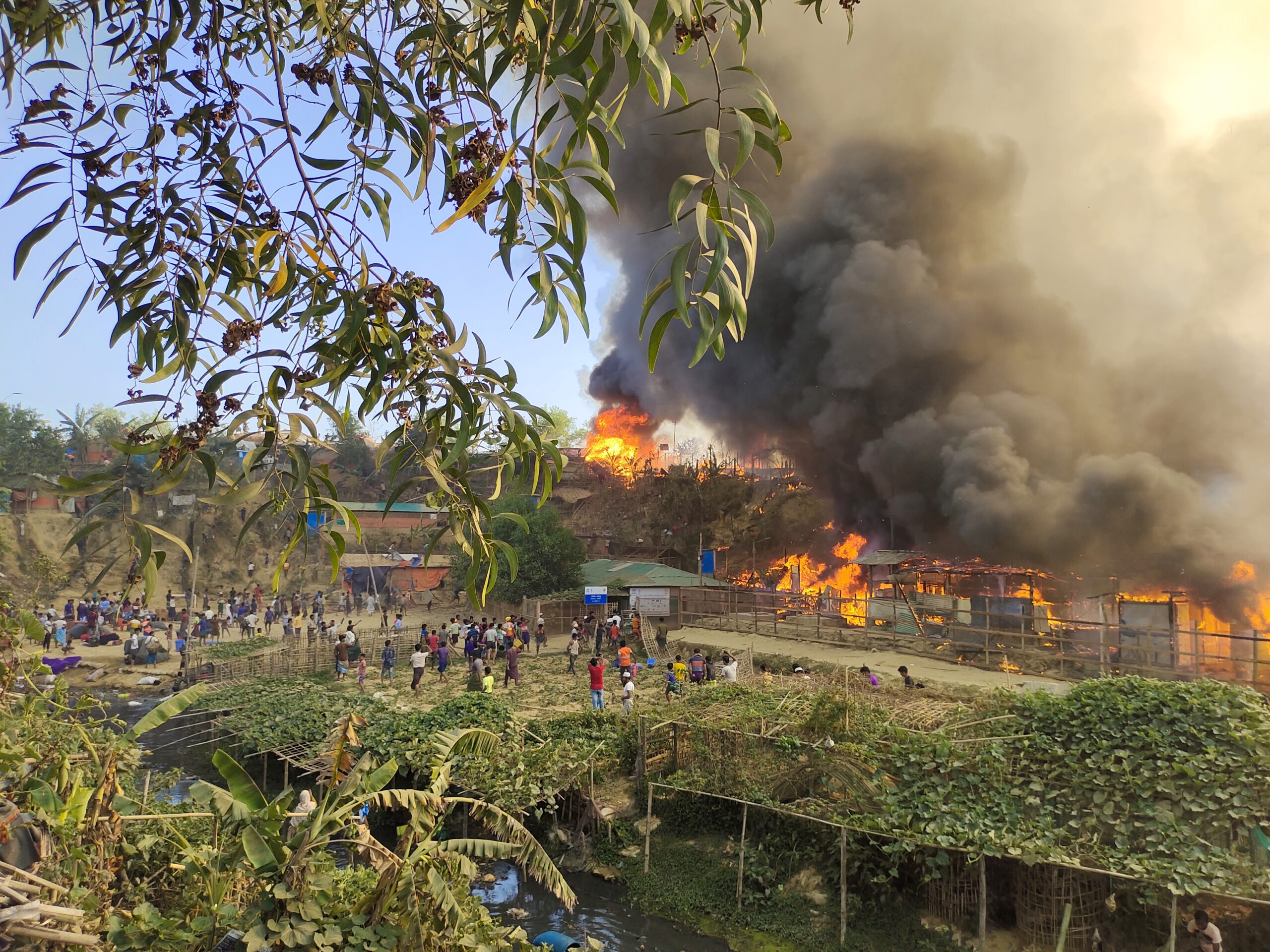
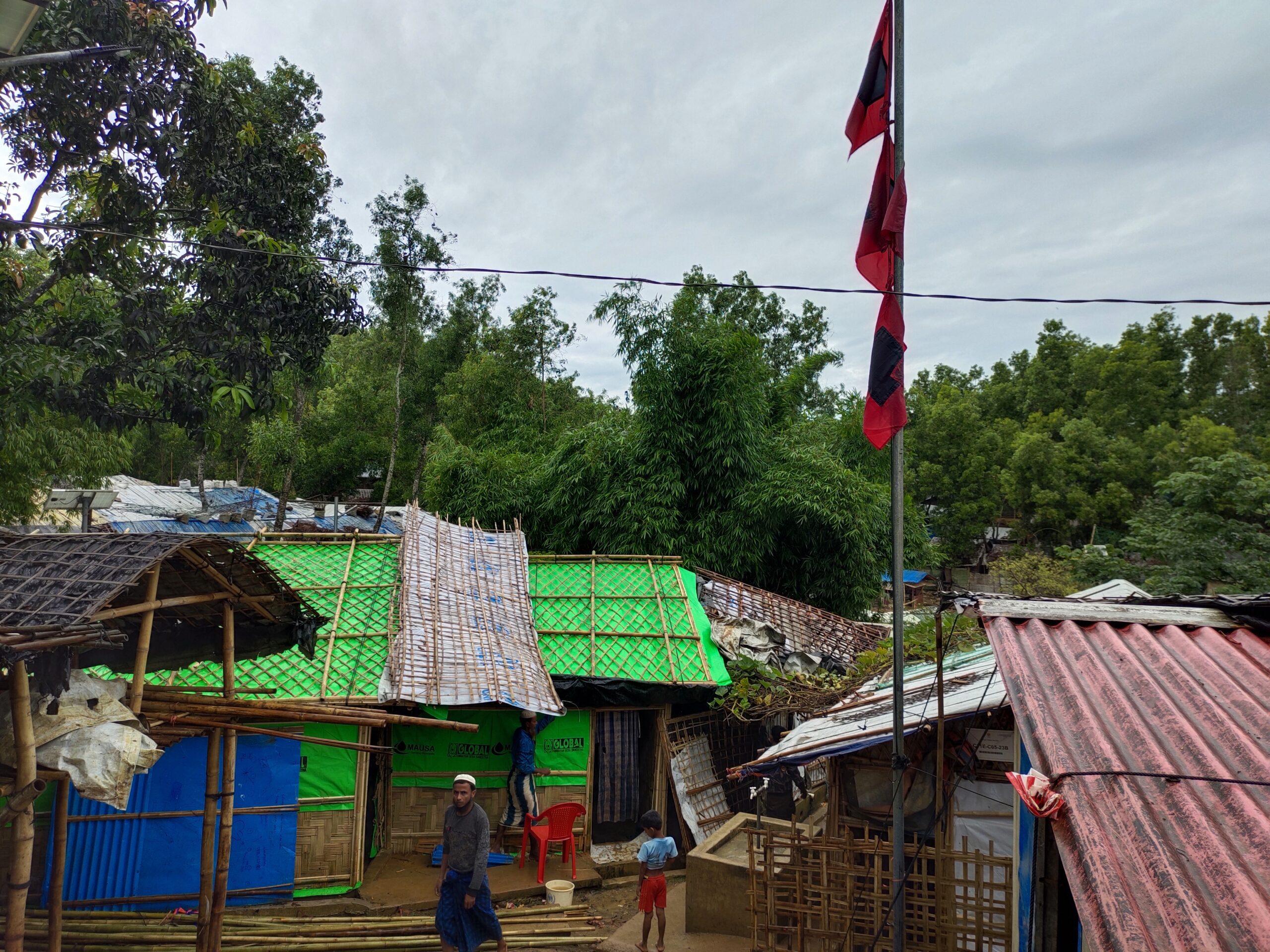
Sometimes a photograph can communicate what words cannot. These images offer glimpses of the people, activities, experiences, and creative moments connected to Rohingya Film School.
THE JOURNEY CONTINUES
The Next Story Is Yet to Be Told.
The work of documenting our lives, preserving our heritage, and sharing our perspectives continues. Every photograph, film, and creative experience adds to a wider collection of memories and voices.
We believe the next generation of Rohingya storytellers will continue this work, carrying their experiences, creativity, and identity into the future.
BE PART OF THE JOURNEY
Help Keep Our Stories Alive.
Whether you are a media organization, humanitarian organization, creative professional, or supporter of community storytelling, we welcome conversations about meaningful ways to work together.