STORIES. VOICES. IMPACT. CHANGE.

TRAINING & EMPOWERMENT

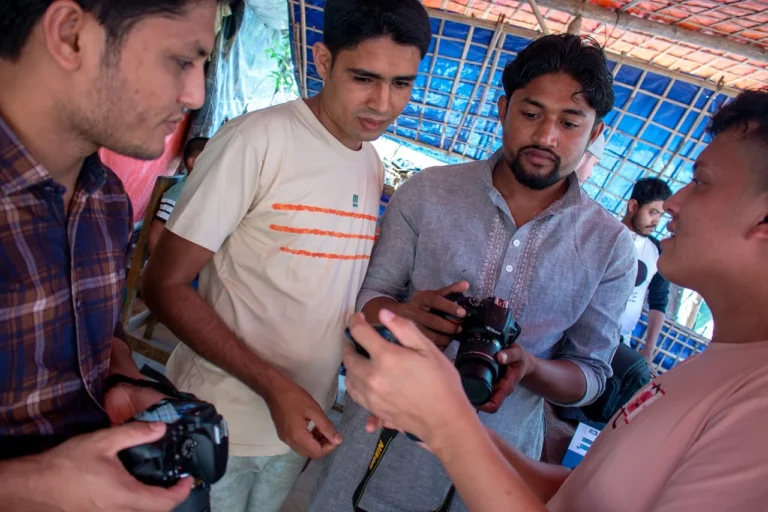
Learn to tell the stories that matter.
Every story begins with someone willing to look, listen, and share. Through photography, filmmaking, and community storytelling, we believe young Rohingya people can develop the skills to document their experiences and tell their stories in their own voices.
Our approach brings creative learning together with cultural memory, community awareness, and practical experience.

The next story could be yours.
Learning photography and filmmaking is about more than using a camera. It is about observing the world, asking questions, understanding experiences, and finding meaningful ways to communicate them.
Our training approach is rooted in the belief that Rohingya people should have the opportunity to tell their own stories.
Rohingya Film School was established to help young Rohingya people develop practical creative skills and create opportunities for community-led storytelling. Through learning, practice, and collaboration, young people can explore ways to document everyday life, preserve cultural knowledge, and communicate information that matters to their community.
Four ways to develop your skills.
Photography
Learn to observe, compose, and capture moments that tell a story. Develop your understanding of camera operation, framing, light, and visual composition through practical exercises.
Learning focus
- Camera basics and handling
- Composition and visual observation
- Photographing people and everyday life
- Building a photo story


Film and videography
Explore how moving images, sound, and interviews work together to communicate an experience. Learn to think about the story before, during, and after filming.
Learning focus
- Video camera basics
- Planning shots and sequences
- Interview preparation
- Visual storytelling and sound
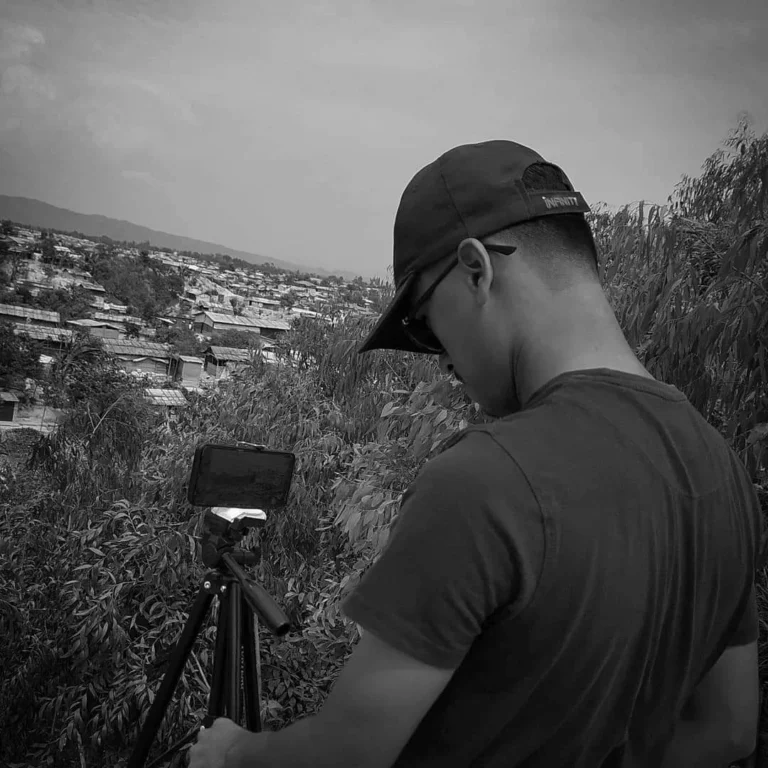

Editing and storytelling
Learn how images and footage can be selected, organized, and arranged to communicate a clear message. Explore the choices that help turn raw material into a meaningful story.
Learning focus
- Selecting and organizing footage
- Sequencing images and clips
- Basic editing concepts
- Story structure and message


Community media and storytelling
Explore how media can share knowledge, communicate important information, and preserve traditions. Learn to approach community stories with care and respect.
Learning focus
- Community awareness content
- Cultural documentation
- Educational storytelling
- Responsible representation

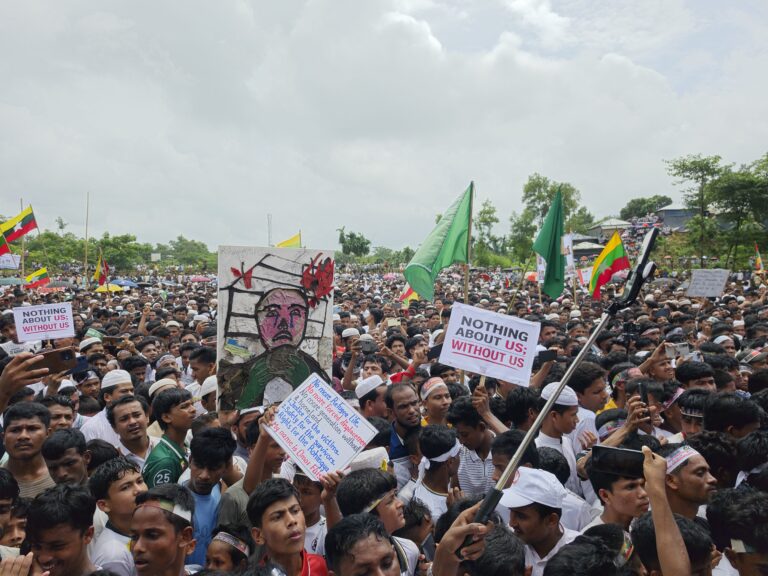
Learn by doing. Grow by sharing.Services Apart
Creative skills develop through practice, observation, and collaboration. Our educational approach emphasizes learning through real activities and working together to understand how stories can be documented and communicated.
Practical experience
Build familiarity with photography and filmmaking through hands-on exercises and creative practice.
Learning together
Exchange ideas, learn from others, and develop storytelling skills through collaboration and shared experiences.
Seeing our community differently
Develop the ability to observe everyday life, recognize meaningful stories, and document experiences from within the community.
Sharing stories responsibly
Consider context, consent, accuracy, and the dignity of people whose experiences are represented.
Our stories deserve to be told by us.
For Rohingya communities, photography and filmmaking can help preserve memories, communicate everyday realities, and share perspectives that may otherwise be overlooked.
Creative learning can help young people build confidence, develop practical skills, and explore ways to contribute to their community. It also creates opportunities to document traditions, share educational messages, and connect personal experiences with wider audiences.
At Rohingya Film School, we see storytelling as a way to preserve heritage, support community awareness, and help the next generation express its own perspectives.
By Rohingya. For Rohingya.

Building skills through community.
Rohingya Film School began in February 2020 with a vision of helping young Rohingya people learn photography and videography and use those skills to document their own experiences.
In June 2021, Reuters reported on the school’s free weekly photography classes for 12 learners aged 20–25. The report documented an important moment in the school’s history and the aspirations of young people learning to photograph life in the camps.
That report is a historical snapshot, not confirmation of current course schedules or enrolment. Contact the school to ask about present opportunities.
Your story could start here.
Interested in learning photography, filmmaking, editing, or community storytelling?
Contact Rohingya Film School to ask about current training activities, upcoming opportunities, eligibility, and availability. Tell us which skills interest you and what you hope to learn.
Help the next generation tell its stories.
Creative learning grows when people share their knowledge, time, and experience. We welcome enquiries from potential mentors, educators, media professionals, and organizations interested in supporting community-led storytelling and creative development.
If you would like to explore a training collaboration, mentorship opportunity, or educational media project, we invite you to get in touch.